

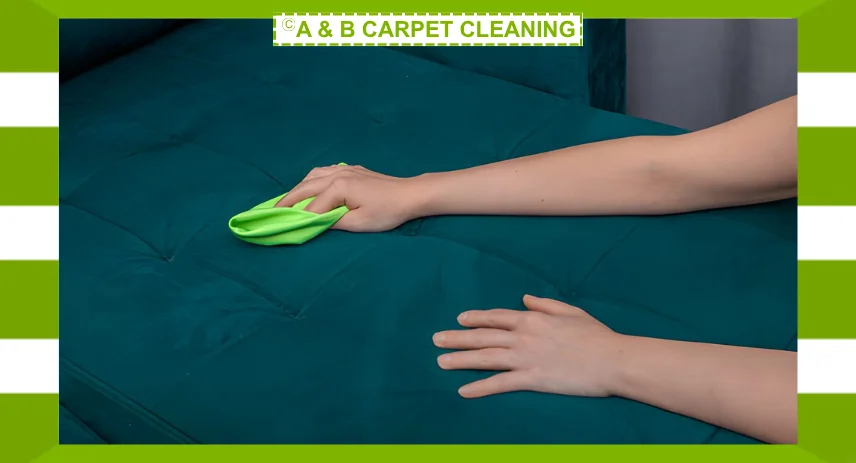
Your favorite sofa or armchair absorbs everything from hair oils to coffee drips, and after a while the armrests and headrests start to look dark and feel slightly sticky. A quick vacuum helps with crumbs, but it doesn’t lift the greasy film that settles deep into the weave. Learning how to clean upholstery fabric properly means using the right supplies and a light touch, not soaking the whole piece with a shampooer. Most everyday dirt comes right off with a mild soap solution and some patience.
If you’ve ever spotted a dark shadow on the backrest where someone rests their head, you know that particular spot can be stubborn. That’s why knowing how to clean black spot from head on upholstery fabric is just as important as general freshening up. This guide walks through cleaning upholstery couch surfaces, how to clean upholstery on a couch step by step, and how to clean upholstery sofa cushions without leaving watermarks.
Why a Gentle Approach Keeps Upholstery Looking Good
Upholstery fabric is often a blend of cotton, polyester, or linen, and the dyes can loosen if you scrub too hard or use the wrong cleaner. Body oils and sweat combine into a waxy layer that attracts dust, and if you wait too long to clean upholstery fabric, that layer oxidizes and turns yellow. A gentle soap solution breaks down the oil without stripping the color, which is the main reason to skip strong degreasers and bleach sprays.
Another thing people overlook is the cushion filling. If moisture soaks through the fabric and into the foam or batting, it can create a musty smell that is very hard to get out. So when you’re figuring out how to clean upholstery fabric seats, always keep moisture to a minimum and dry everything quickly.
Supplies for Cleaning Upholstery Fabric
A reliable set of tools makes the entire process smoother and protects the delicate weave.
A Soft Upholstery Brush
A brush with flexible bristles lifts out dust and pet hair before any water touches the surface. Run it over the whole piece to wake up the pile and make the later steps more effective.
Mild Liquid Soap
A few drops of clear, bleach‑free dish soap mixed with cool water is all you really need. Stay away from anything with strong degreasers, because they can fade the color when you clean upholstery fabric.
White Microfiber Cloths
Microfiber grabs dirt and soap without leaving lint behind. Keep several on hand, one for applying suds and another for rinsing, to avoid spreading grime around.
Cool Distilled Water
Tap water can contain minerals that leave faint rings on light‑colored fabric. Distilled water keeps your effort to clean upholstery fabric from creating new spots.
A Small Bowl for Suds
Whisk a tiny bit of soap into the water to make foam, then dip your cloth into the bubbles only. This keeps the fabric from getting too wet while still lifting dirt.
Step‑by‑Step Method to Clean Upholstery Fabric
Before you touch any liquid, remove the loose dust so it doesn’t turn into mud.
Step 01: Dry Brush and Vacuum
Go over the entire surface with the soft brush, working it into seams and along the welting. Then vacuum every cushion, armrest, and the backrest using an upholstery attachment. This dry step is the foundation for how to clean upholstery fabric without smearing dirt deeper.
Step 02: Blot With Soap Suds
Whisk a quarter teaspoon of mild soap into a bowl of cool distilled water until you have a layer of foam. Dip a microfiber cloth into the foam only, then gently blot any soiled areas, starting at the outer edge of a stain and moving inward. This is the safest motion for how to clean upholstery fabric because you lift the grime instead of pushing it sideways.
Step 03. Rinse & Blow Dry Fast
Dip a fresh cloth in plain cool water and remove the soap residue. Immediately press a dry towel into the fabric to absorb moisture and point a fan at the furniture to hasten drying. The final step in how to clean upholstery sofa cushions without sour smell inside the filling is to dry quickly.
Upholstery Fabric Mistakes That Are Wrecking Your Room
By avoiding these mistakes, you will be able to keep your furniture in great shape for years to come.
Scrubbing the Spot Hard
Rubbing back and forth frays the fibers and can spread the stain outward. Always dab gently when you clean upholstery fabric, even on a tough mark.
Soaking the Cushion Core
Pouring or spraying too much water onto the fabric soaks the foam inside, leading to mildew. Keep your cloth barely damp, and you’ll avoid turning a small stain into a musty smell.
Using Hot Water
Heat sets protein stains like sweat or food into the threads permanently. Cool water is the only safe temperature for how to clean upholstery fabric, no matter what kind of spot you’re treating.
When to Call an Expert for Stubborn Upholstery Stains
Most light grime and water‑based spills come out with the steps above. But some stains, like old grease or that dark head mark that won’t fade, need a deeper clean. Delicate fabrics such as silk blends or antique upholstery also require a pH‑balanced product that home cleaners don’t offer.
-
Oily Head Stains: A dry cleaning sponge or professional spotting solution can dissolve the body oils that surface suds miss. Experts use products that pull the grease out of the filling without overwetting the fabric.
-
Deep‑Set Odors: If the couch smells stale or sour even after a cleaning, the inner padding needs extraction. Professionals have the tools to reach those layers and truly clean upholstery fabric throughout.
When a simple home wipe isn’t enough to bring back that fresh look and smell, don’t risk oversaturating the fabric. Contact AandB Carpet Cleaning for expert upholstery and furniture cleaning services right where you are.
Frequently Asked Questions
Use a dry cleaning powder made for upholstery, sprinkle it on, let it sit, and vacuum it off. This method lifts oils without water and respects the manufacturer’s instructions for how to clean upholstery fabric safely.
Check the tag, but most removable covers can be washed in cold water on a gentle cycle and air‑dried flat. Clean the cushion cores separately with a light vacuum and baking soda to freshen them up.
Work on them in place using the foam‑only blotting method described above. Always dry with a fan afterward to keep the inner foam from staying damp.
Try blotting the area with a cloth barely dampened in rubbing alcohol, testing a hidden spot first. If the dark oil mark persists, a dry cleaning sponge from a hardware store can lift it without water.
A very diluted vinegar solution can cut light grease and freshen odors, but test it on a hidden corner first. Vinegar is acidic and may damage delicate dyes, so it’s not the first choice for how to clean upholstery fabric on fine pieces.